
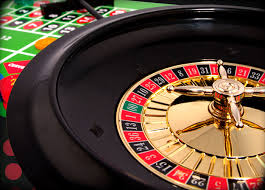
 El juego en cualquier forma ha sido parte de la vida de la humanidad y es la principal actividad que le ha ayudado al ser humano a crecer y aprender cosas de carácter diferente. Los juegos de azar como la ruleta por ejemplo tienen aun más atractivo porque implican jugar con dinero real. La ruleta es un juego que no deja indiferente a nadie y tiene su propia historia a través de los siglos. Los jugadores pueden jugar a la ruleta no solo en casinos reales sino también en casinos virtuales. Las opciones son numerosas en Internet e incluso se puede jugar a la ruleta online en directo gracias a las nuevas tecnologías que conectan el jugador y el casino online con un estudio con equipamiento y crupieres reales. Pero cualquier que sea la versión de la ruleta, los jugadores tienen siempre solo un mismo objetivo: ganar dinero.
Los jugadores más aficionados no solo han querido probar su suerte sino que han investigado y probado varias estrategias y sistemas para ganar. La ruleta también ha sido utilizada por los científicos más célebres como por ejemplo el matemático Blaise Pascal quien ha ideado el juego de ruleta como la conocemos hoy, con 36 números pero sin el cero. En sus investigaciones sobre las probabilidades, él ha utilizado la ruleta que después le han servido para publicar el “Tratado general de la ruleta” (Traité général de la roulette). La nobleza en aquel época utilizaba los juegos de azar como pasatiempo y Pascal ha dedicado muchas de sus investigaciones para encontrar una manera de ganar en los dados o en la ruleta.
El azar siempre ha sido un tema interesante para la ciencia que sigue intentando descifrar sus códigos secretos. La ruleta por ser un juego de números ha atraído la curiosidad de muchos matemáticos y además de Blaise Pascal, los que han quedado en la historia de la ruleta con sus experimentos son García Pelayo no ha utilizado ninguna estrategia científica sino ha apostado utilizando los defectos físicos de la propia rueda, sus casillas y demás elementos. Después de observar una gran serie de rondas en la ruleta, se ha dado cuenta que algunos números salen ganadores con mayor frecuencia que los demás y que había que apostar en estos números. Este era el simple truco de su sistema y con la ayuda de sus familiares ha conseguido ganar millones de las antiguas pesetas, jugando en casinos por todo el mundo.
Sin embargo, ningún científico, sea matemático o físico, le podría dar un sistema o estrategia para ganar a la ruleta. Porque la ruleta es y sigue siendo un juego de azar y como ha dicho Albert Einstein en su célebre frase: “La única manera de ganar en la ruleta es de robar dinero de la mesa cuando el crupier no está mirando.”
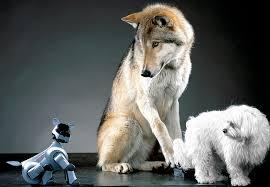 Según los datos de la ANFAAC , el número de perros domésticos en España en 2013 era 5.400.000, mientras que actualmente, los perros son parte de 26% de los hogares españoles. Este número es mucho mayor en otros países europeos y no hablemos de los Estados Unidos donde los perros domésticos son parte de 36% de los hogares. Con todos estos datos solo quiero demostrar el papel importante que juegan los perros en la vida de los humanos y sobre todo el hecho de que los perros son siempre las mascotas más preferidas en todo el mundo.
 Me gustaría presentarme en mi primer post con muy pocas palabras y también presentar en un breve resumen los temas que va a encontrar en mi blog Ciencia y Sociedad. Me llamo Pablo, soy de Galicia y mi deseo es de compartir con todos los visitantes de mi blog personal la pasión que tengo por la ciencia y sobre todo las cosas importantes que ocurren en la sociedad española contemporánea pero sin la menor intención de tratar de publicar cualquier noticia como en un periódico digital. Este no es mi objetivo. Simplemente me gustaría publicar mis propias observaciones y opiniones sobre las cosas que yo personalmente considero importantes para la vida de los ciudadanos españoles.